
Adaptation
Making sense of one moment to the next
It is not just our sense of space and time that are pushed and pulled in different directions: Everything that we perceive is relative to our prior experience. You can experience this most powerfully through a phenomenon known as adaptation – whereby our perceptual experience shifts relative to our recent experience. You can see a basic example below:
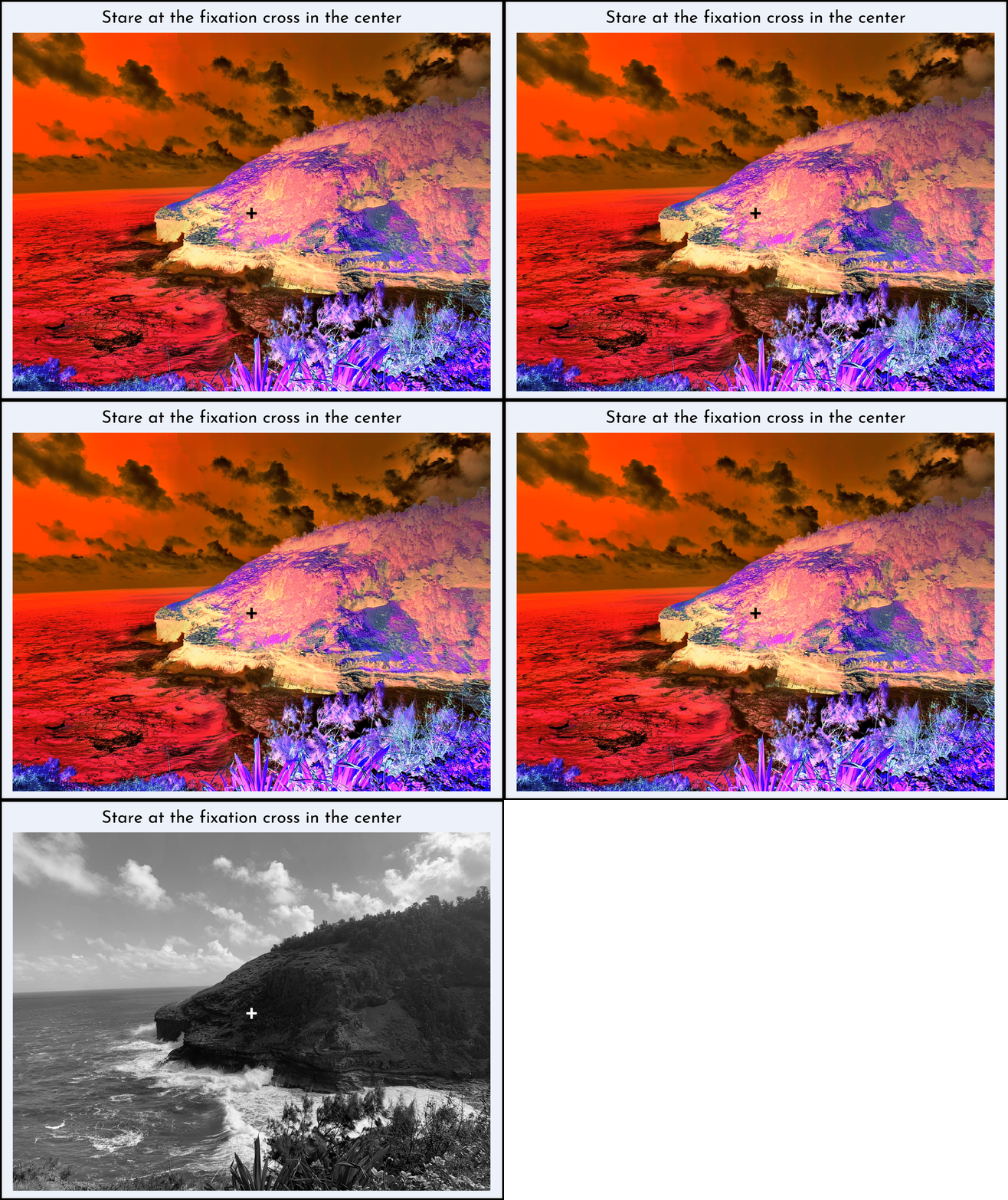
There, you stared at a colorful image before it changed to a greyscale image. In the second image that you saw, there was no color at all. Yet you perceived a colorful landscape nevertheless. This is a canonical case of visual adaptation: Your experience with that initial, colorful image caused a repulsive aftereffect that led to you seeing, with your own eyes, a colorful image in the absence of color.
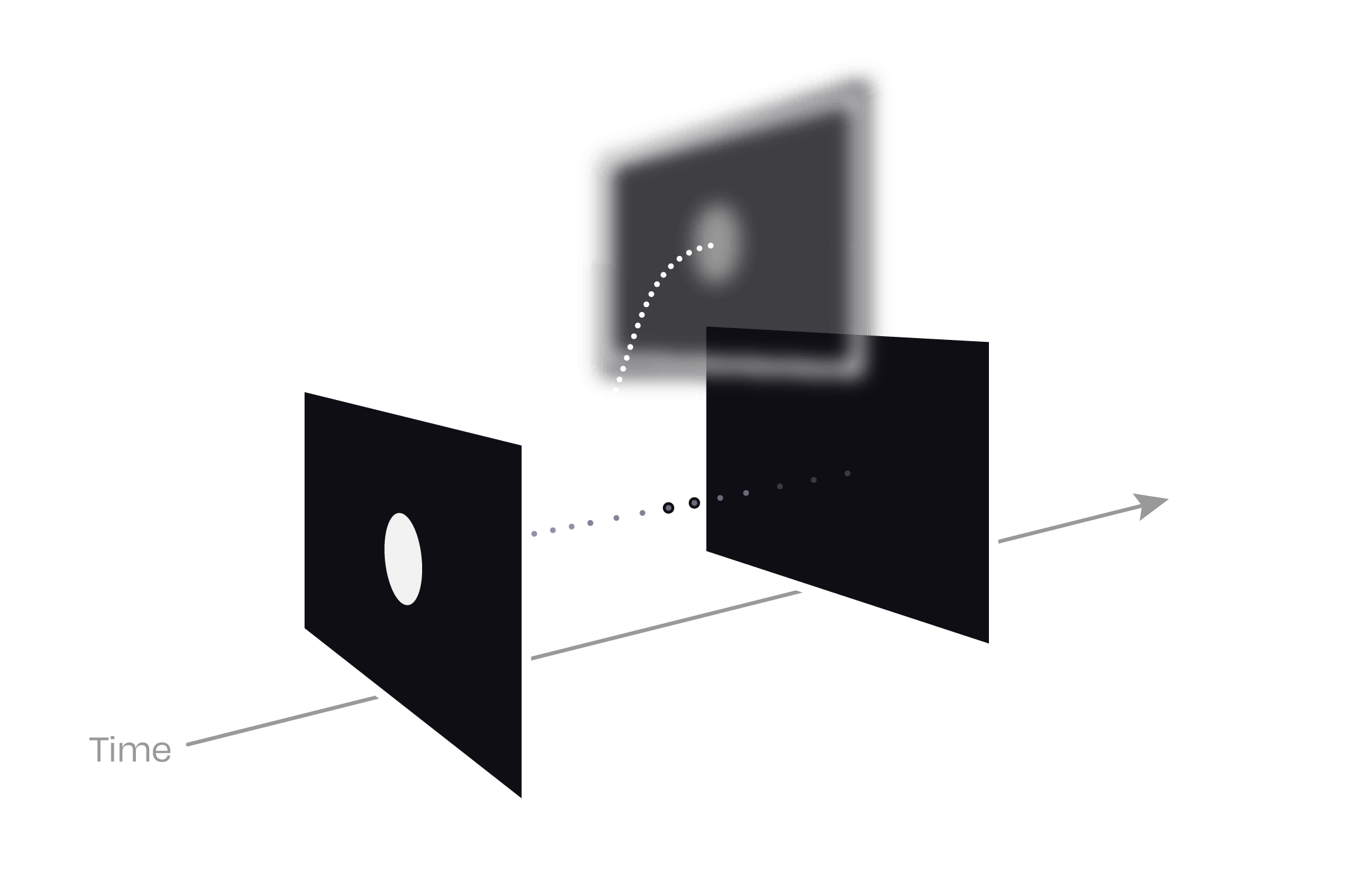
Following prolonged exposure to a stimuli we can experience a phenomenologically appreciable perceptual echo (known as an aftereffect) that does not reflect what we are actually observing (the veridical).
Color adaptation is neat, but it turns out that this is just the tip of the iceberg. People appear to adapt to a wide range of informational features of their experience, ranging from canonical low-level visual properties like color to mid-level properties such as number all the way through to ostensibly high-level, non-visual properties such as value.
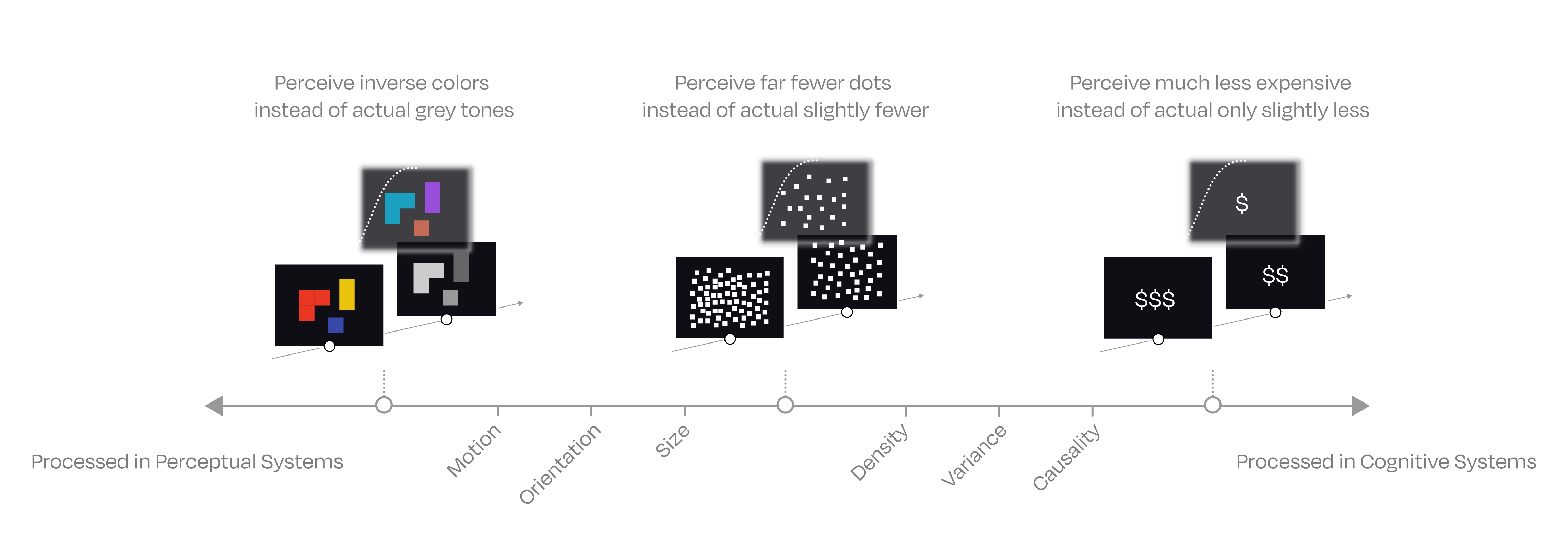
Aftereffects Span Perceptual and Cognitive Dimensions?
In our lab, we’re interested in whether all of these different cases of adaptation are of the same fundamental kind, or if they reflect different cognitive and neural mechanisms. This strikes us a compelling mystery. To understand why, consider a case of high-level adaptation. Suppose you’re looking to buy a house, and you start your search in an expensive neighborhood. You may be unhappy with the prices. So you go look at a relatively cheaper neighborhood. Now, relative to the prices of the previous neighborhood, these otherwise expensive homes might seem relatively affordable. Had you started looking at the cheapest neighborhoods available, though, these same homes might feel more expensive.
These relative judgments pervade our everyday lives. But are these repulsive cognitive aftereffects driven by the same neural mechanisms as the repulsive visual aftereffect that you saw for yourself above? This is the big question that we’re working on right now. You can find some relevant demos here.