Representing Space
Making sense of space — by uncovering primitive spatial formats
The world is filled with spatial information. In any given moment, we have to represent the shape of the environment around us, the size and form of the objects within it, and the locations of those objects relative to each other and to ourselves. All of that information has to get compressed into lower-dimensional forms that we hold in memory and act upon.
Objects in Space
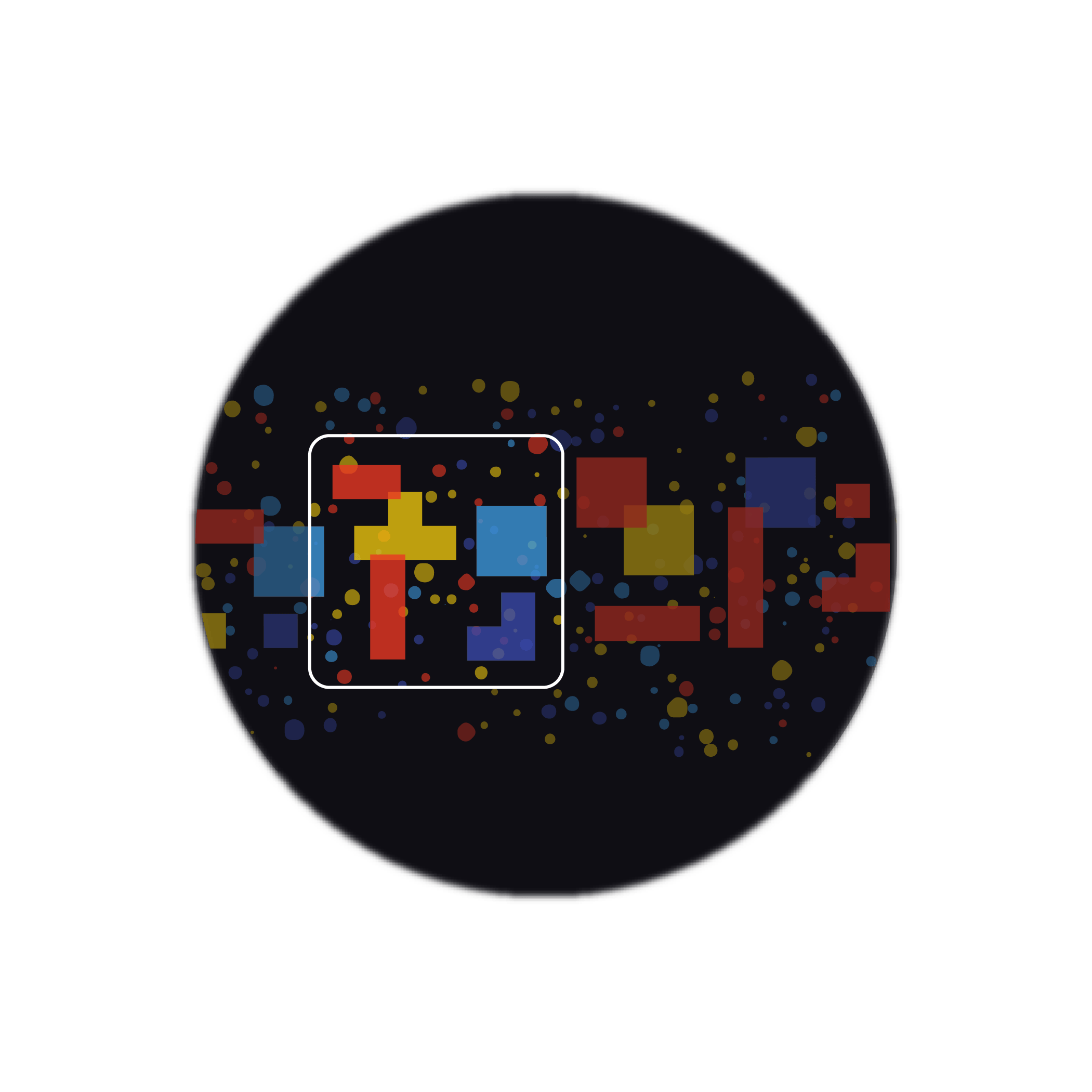
There are many ways of characterizing the ‘shape’ of space. For instance, you could describe spatial relationships in a very coarse way: “The red rectangle is to the left of the light-blue square.” Or you could describe the location of each object in a very precise way, appealing to the precise coordinates of the objects within some reference format.
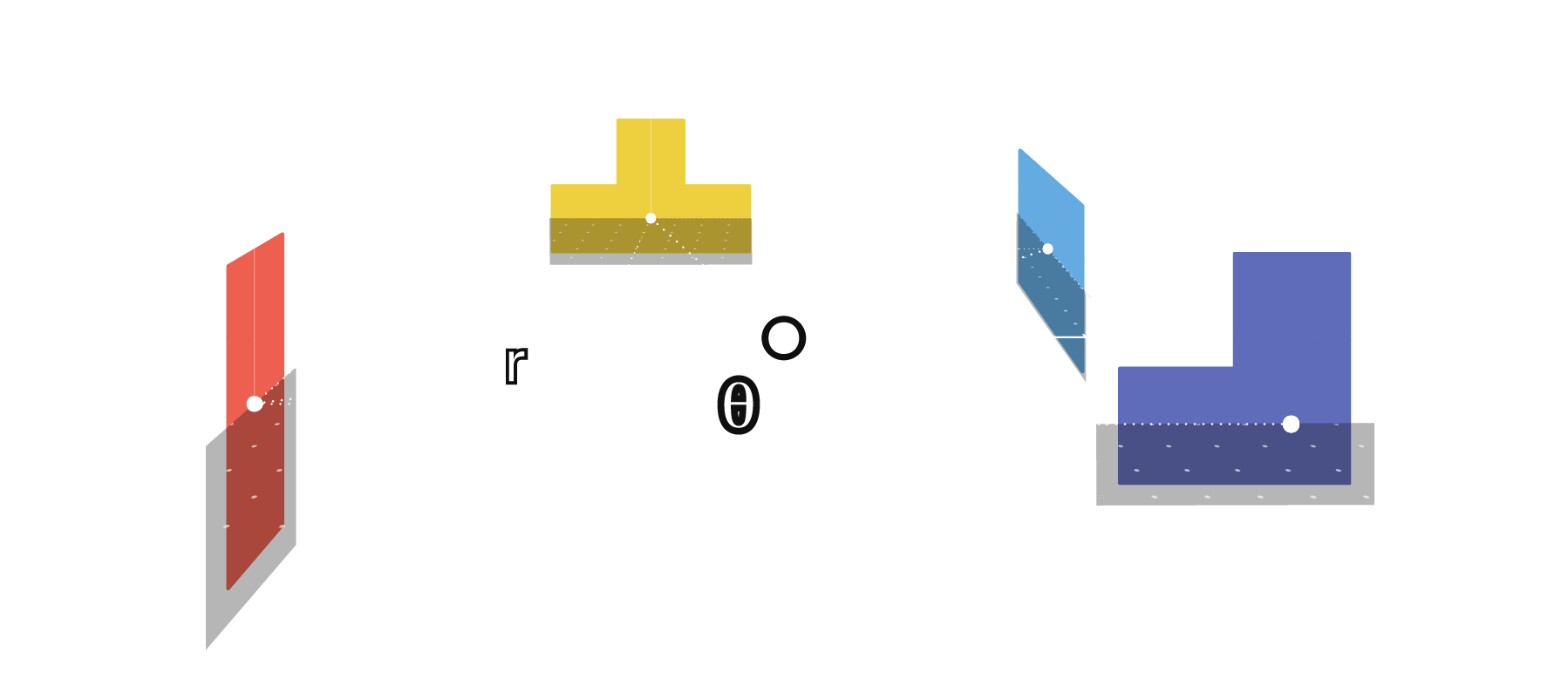
Spatial Format: A coordinate system
In our lab, we’re interested in the various formats of spatial representations — including those that are more coarse, like a topological representation, and those that are more fine-grained, like polar or Cartesian coordinates. Each of these formats has distinct advantages and disadvantages. More importantly, each of these formats has distinct representational consequences, allowing us to ‘reverse engineer’ the format used by the mind by carefully analyzing tiny errors that people make in simple spatial tasks.
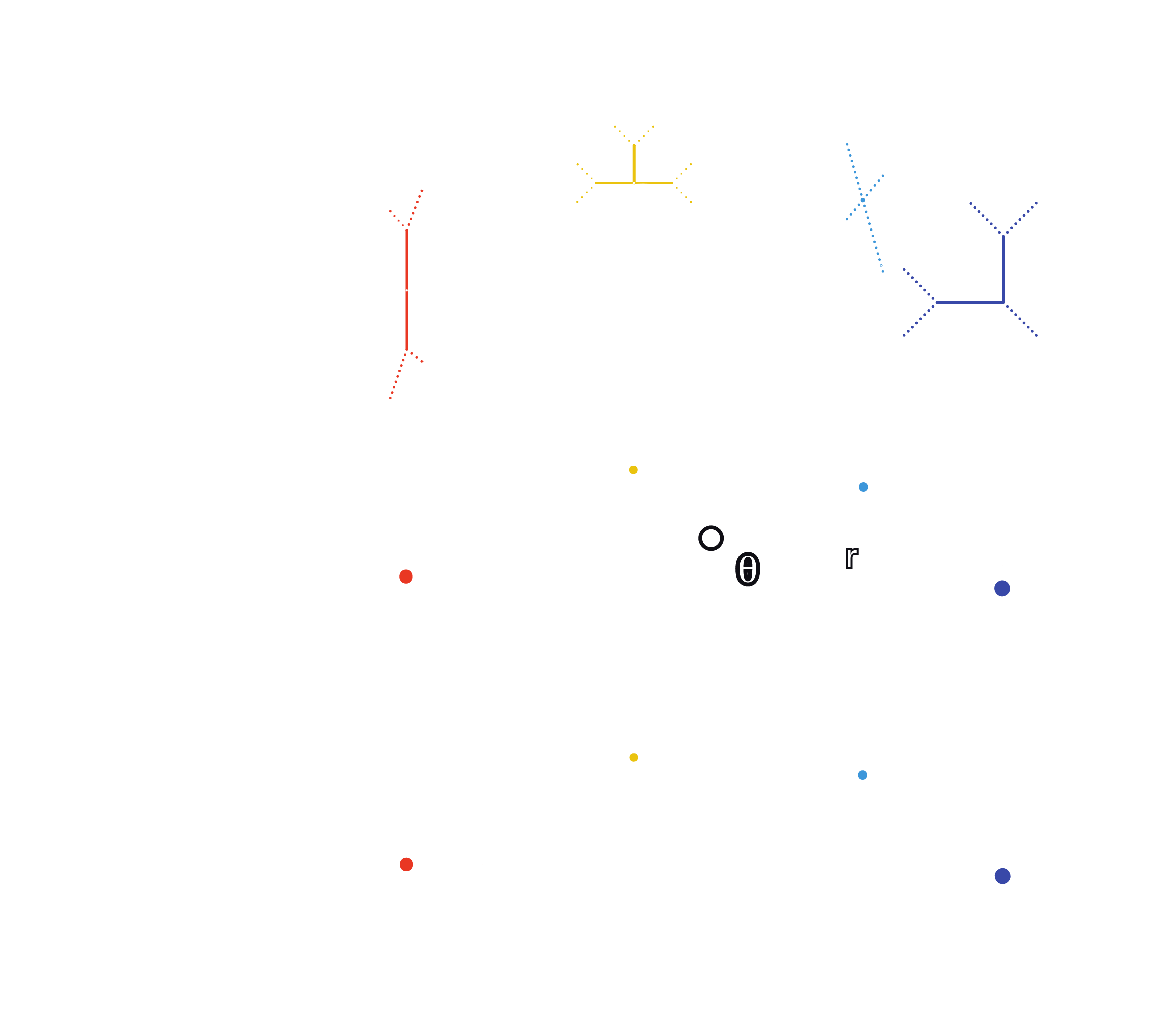
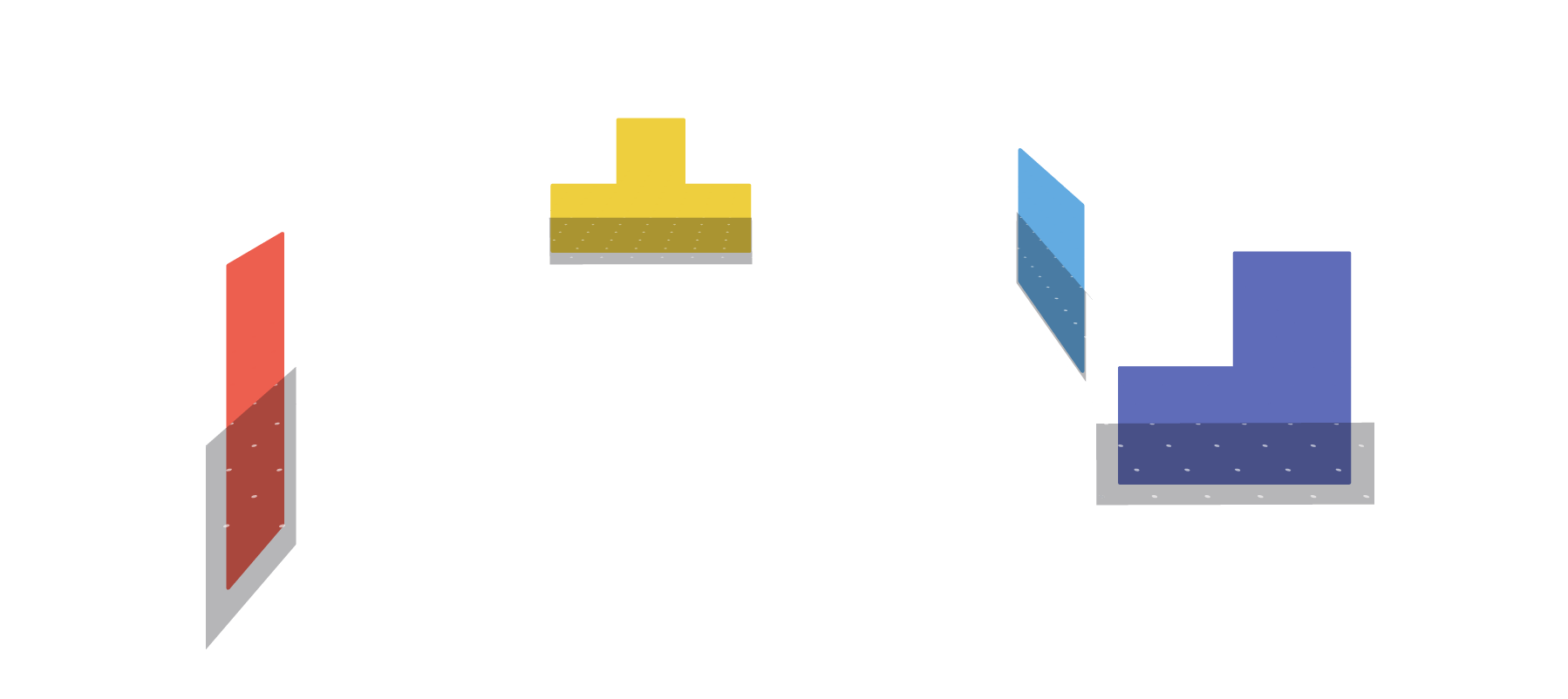
TOPOLOGY. Topology is about coarse spatial representation. Generally, topology concerns itself with the rough structure of spaces and objects, irrespective of their spatial detail. Our lab focuses in particular on network topological representations of both places and objects. Deep Dive
COORDINATE SYSTEMS. Coordinate representations are valuable for representing precise locations. Generally speaking, we assume that precise representations like these take time to develop — that these more detailed representations are superimposed on top of faster-emerging, coarse representations.
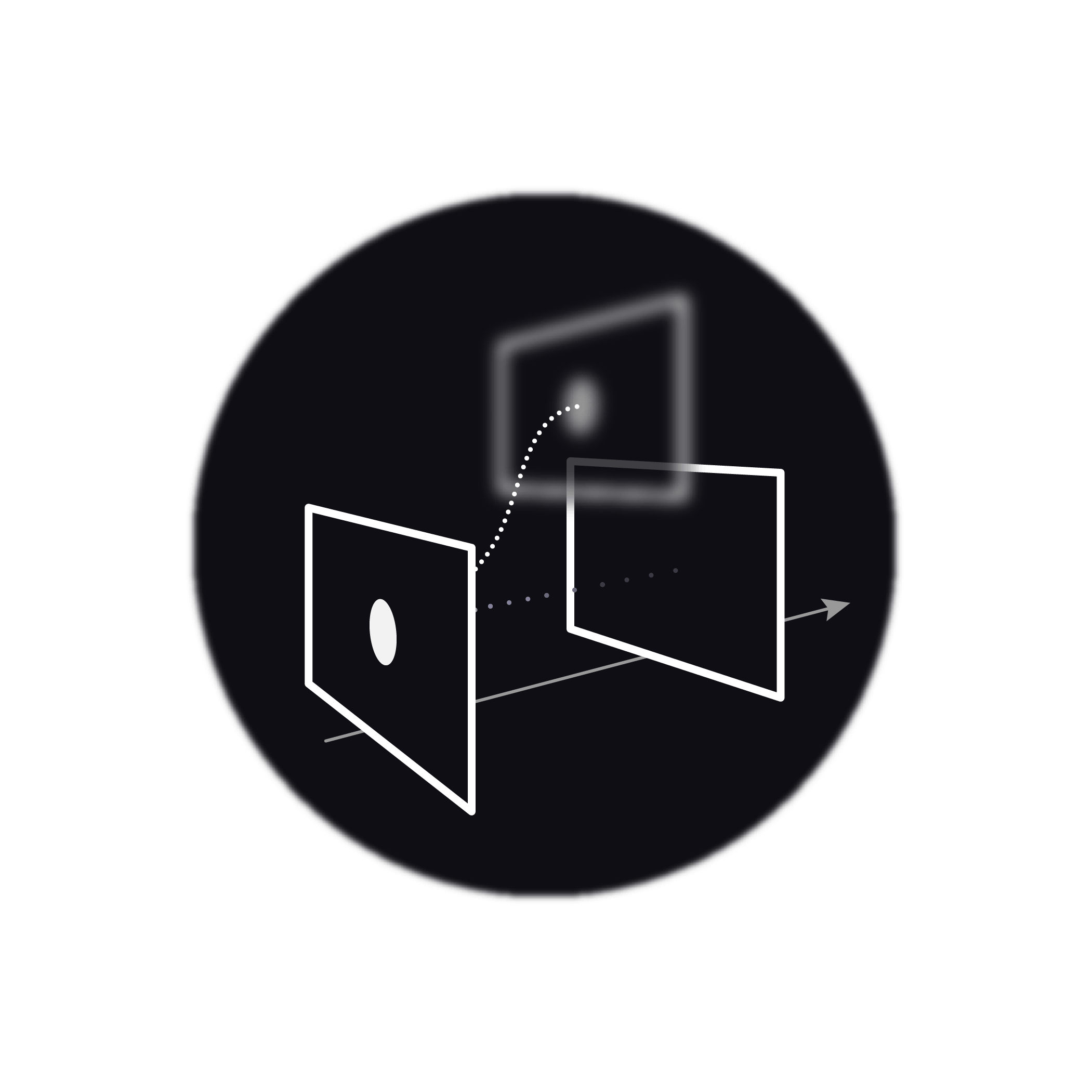
We do not think that any particular way of representing space is the ‘right’ one; instead, we tend to think that people rely on different formats depending on the demands of the current task or the nature of the environment (see Yousif, 2022). Our goal is just to understand, broadly, the primitives that support spatial representation — of places and of objects, at smaller scales and larger scales. By understanding these primitives, we can better understand how our sense of space is constructed through perception and stored/distorted in memory.
Explore our other research branches…
View All Publications